
There is a quote attributed to Nelson Mandela: “It always seems impossible until it’s done.”
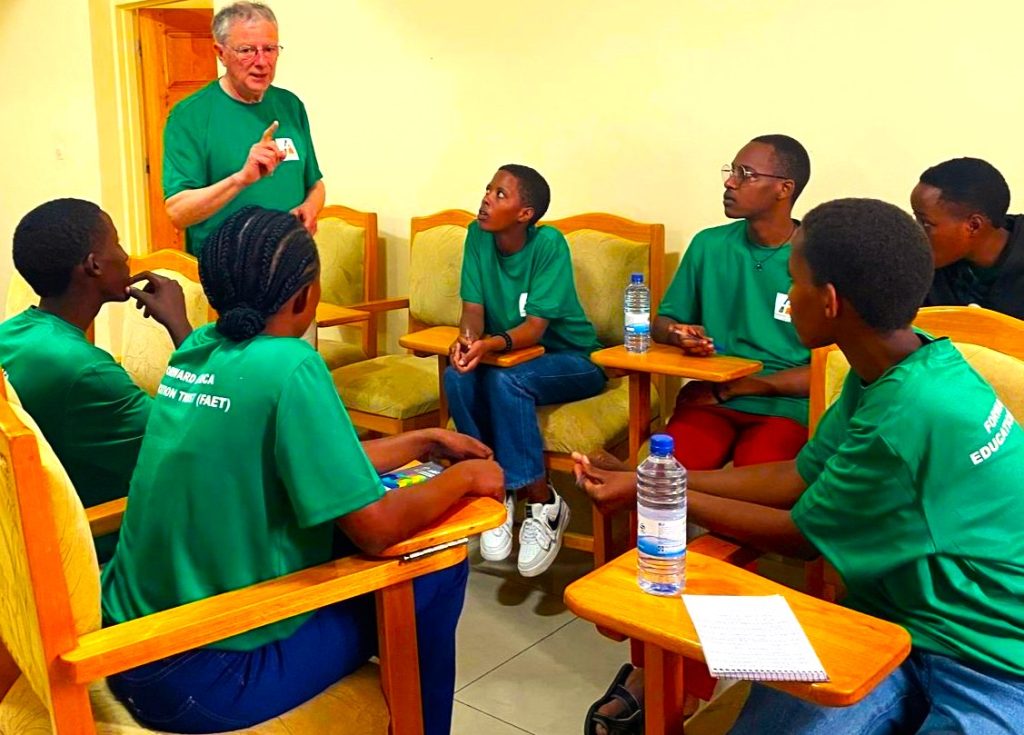
I thought about it recently while standing in front of a group of our students in Musanze, Rwanda — young people who, not long ago, had no clear path to secondary education.
Mandela’s words are deceptively simple. But they point to something important: the impossible is not a fixed category. It is a perception, shaped by the structures around us.
This is what I mean when I talk about the architecture of the possible. When a girl from a mother-led household in rural Rwanda gains access to secondary school, something shifts — not just in her life, but in her imagination of what her life can hold. New futures enter the frame that simply weren’t there before.
Education does this. It doesn’t just transmit knowledge. It rebuilds the architecture within which a young person understands what is available to them.
Our job — in development, in education, in social change — is not just to deliver programmes. It is to construct possibility. The impossible, it turns out, was just waiting for the right architecture